Thank God for My Family SVG Graphics — Crafts-Ready Design Asset
As a blog designer who’s built over 200 editorial websites and managed visual content for digital publishers across lifestyle, faith-based, parenting, and small business niches, I approach every graphic design asset with two questions: Does it serve the story? And does it scale across real publishing touchpoints without losing clarity or emotional resonance?
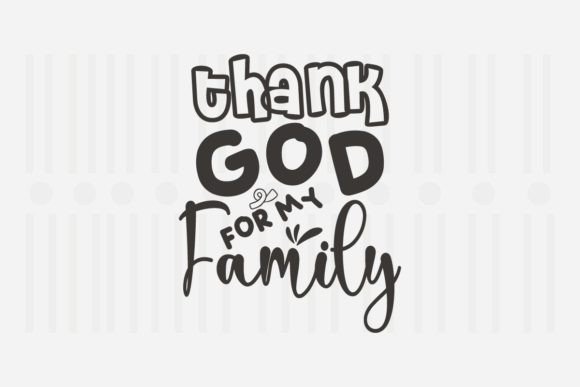
That’s why Thank God for My Family,Family SVG Quote stood out—not as a generic craft clipart piece, but as a surprisingly versatile editorial design tool. First impression? Warm, grounded, and quietly reverent. It leans into heartfelt sincerity rather than sentimentality—clean lines, balanced negative space, and a gentle typographic rhythm that feels both modern and timeless. It’s not flashy, but it *holds attention*. That’s rare in today’s oversaturated visual landscape.
This graphic design asset naturally supports content niches where authenticity and emotional connection drive engagement: faith-inspired blogs, family wellness sites, gratitude journals, homeschool resource hubs, and small business branding for Christian creatives or boutique gift shops. It reads as lifestyle-focused and inclusive—not overly decorative, not starkly minimal—just human-centered. The mood invites pause, reflection, and quiet recognition. That matters when your readers scroll past dozens of visuals before landing on yours.
In real-world publishing workflows, Thank God for My Family,Family SVG Quote performs exceptionally well across multiple formats. I’ve embedded it directly into blog featured images (with subtle background texture overlays), used it as the anchor graphic in Pinterest pins (paired with bold, legible headline text), and repurposed it as the central motif in downloadable printables—think gratitude checklists, family devotion cards, or printable wall art for digital guides. It works equally well as a website header banner, newsletter banner, or Canva template base for seasonal email campaigns.
What makes it especially valuable is how it strengthens core content performance metrics. Its clean vector structure ensures sharp rendering at any size—boosting first impression strength on desktop and mobile alike. Because it’s fully color-changeable (100+ options via SVG/EPS editing), it adapts seamlessly to existing brand palettes—supporting consistent branding without extra design labor. That consistency builds reader trust. When your blog graphics, social media graphics, and lead magnet visuals share visual DNA, your audience subconsciously registers professionalism and intentionality.
It also improves visual hierarchy instantly. Place it beside a short, powerful headline—like “3 Ways to Cultivate Gratitude With Your Kids”—and the composition feels intentional, anchored, and emotionally resonant. No need for heavy filters or distracting embellishments. That clarity translates to better click-through potential, especially on Pinterest and email previews where split-second decisions happen.
Where does this SVG graphics asset shine brightest? Hero images for evergreen posts, article thumbnails in category grids, Pinterest pins optimized for vertical scroll, blog graphics accompanying personal narratives, editorial accents in long-form guides, content upgrades like printable prayer cards, downloadable resources for faith-based educators, category visuals for “Family & Faith” archives, newsletter headers that feel warm but not cloying, and social media previews where emotional tone matters more than trend-chasing.
Use it carefully in contexts where tonal alignment is critical. Avoid pairing it with dense, text-heavy blog graphics—it’s designed to breathe, not compete. Steer clear on low-contrast backgrounds (e.g., light gray text on off-white) unless you manually adjust stroke weight or add subtle drop shadows. Skip it for serious professional niches like legal, finance, or B2B SaaS—unless you’re building a values-driven employer brand. And if your site follows an ultra-minimal visual system (think monochrome, strict grid, zero ornamentation), this asset may feel too expressive without thoughtful adaptation.
Here’s what I test before deploying Thank God for My Family,Family SVG Quote in live content:
- Preview it at actual thumbnail size—does the shape and message remain legible?
- Drop it into a real blog layout mockup (not just a blank canvas) to assess spacing and balance.
- Overlay headline text in multiple fonts: serif for editorial gravitas, sans serif for modern clarity, script for warmth, handwritten for intimacy, display for impact.
- Check contrast ratios against background colors using browser dev tools—especially for accessibility compliance.
- Render it in black and white to confirm readability without color cues.
- Verify file size after export—SVGs should stay under 80KB; EPS files are best reserved for print-ready assets.
- Always compress accompanying raster images (JPEG/PNG) using modern tools—never rely on raw exports.
- Confirm commercial license terms—this is non-negotiable for monetized blogs, affiliate marketing pages, or paid digital products.
One underrated strength? Its adaptability across creative marketplaces. As a digital download, it’s not just a t-shirt or mug graphic—it’s a foundational element for Canva templates, digital guides, and even media kits for faith-based influencers. Small business branding benefits especially: imagine this SVG layered over soft linen textures for an Etsy shop banner, or animated subtly for an Instagram Story highlight cover.
At its core, Thank God for My Family,Family SVG Quote isn’t about decoration—it’s about *intentional visual communication*. It supports content marketing that values depth over virality, trust over trends, and resonance over reach. For bloggers, newsletter creators, online educators, and affiliate marketers building meaningful audiences, that kind of reliability is gold.
If you're curating design assets for real editorial work—not just one-off crafts but sustained, scalable content publishing—this SVG graphics asset earns its place in your toolkit. It doesn’t shout. It settles in. And in today’s noisy digital world, sometimes the most powerful statement is the one that feels like home.